Part 5 – Comply or Die
Building an orphanage is much more than raising walls—it requires a steadfast commitment to compliance. Legal, ethical, and operational standards ensure the safety, dignity, and well‑being of the children in our care.
1. Legal & Regulatory Framework Every country—including the Philippines—mandates specific licenses, building codes, health permits, and zoning approvals. Beyond construction, operating an orphanage demands child welfare registration, and regular inspections. Adherence isn’t optional; it’s foundational. This is critical to understand. Taking shortcuts in this area can mean the difference between staying in or going out of business. For the sake of the children and their future, it’s important that the orphanage be set up and maintained properly from the beginning.
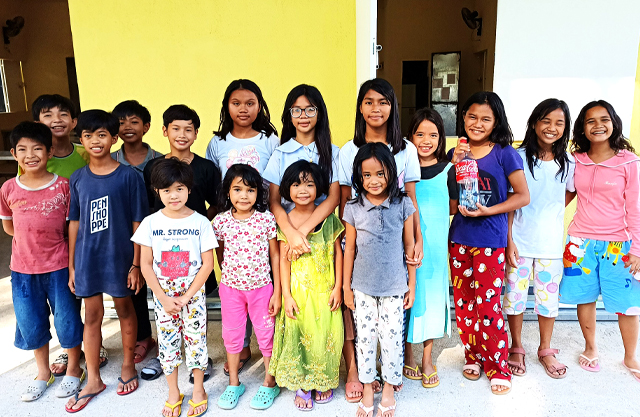
2. Protecting Children’s Rights Compliance safeguards minors from abuse, exploitation, and neglect. Standard policies—from child-to-staff ratios to confidentiality protocols—create a protective environment. These safeguards build trust with both authorities and communities. They also empower children to grow up in a space where they feel valued, heard, and safe.
3. Operational Transparency & Accountability
Transparent financial practices, robust record-keeping, and regular audits uphold donor confidence and ensure funds are used responsibly. Accountability doesn’t just prevent misuse—it affirms our dedication to stewardship. It also sets a standard of integrity that inspires partners, volunteers, and future leaders to do the same. When people see honesty in action, they are more likely to trust, support, and advocate for the mission.
4. Quality of Care Through Standards
Health, nutrition, education, and psychological services must follow national and international guidelines. Ensuring trained staff, regular health screenings, and approved security measures isn’t bureaucratic—it’s essential care. Standards help us provide consistent, high-quality support that meets each child’s unique needs. They also allow us to measure progress, improve programs, and demonstrate real impact to those who support our mission.
5. Community & Government Relationships
Working cooperatively with local officials, social workers, and neighboring families strengthens community trust. It opens channels for support, collaboration, and crisis response when needed.
To summarize, compliance isn’t bureaucracy—it’s the backbone of a thriving orphanage. By embracing legal standards, safeguarding policies, accountability, and transparent relationships, we create homes where children flourish, communities trust, and donors invest with confidence.
In the end, the children are the direct beneficiaries of our efforts to make certain, each orphanage complies. Their safety, well-being, and future opportunities depend on the systems we put in place today. When we prioritize compliance, we create not just shelters—but secure, nurturing homes where hope can grow.